
Lansing Warrant Records
Lansing warrant records are managed by the Lansing Police Department and the 54A District Court in Ingham County. Lansing is the state capital of Michigan and sits at the border of Ingham, Clinton, and Eaton counties. Most cases are handled through Ingham County courts. You can search records through MiCOURT or call the district court clerk. The police department takes warrant check requests at its office on West Michigan Avenue. This page explains all the ways to search for warrants and arrest records in Lansing.
Lansing Quick Facts
Lansing Police Department Warrant Search
The Lansing Police Department is at 120 W. Michigan Ave., Lansing, MI 48933. Call (517) 483-4600. The records unit handles warrant checks for the public. You can call or visit during business hours. Have the full name of the person you want to look up. A date of birth helps narrow the search.
Arrest warrants in Lansing are issued under MCL 764.1a. A judge reviews a sworn complaint and decides if there is probable cause to issue the warrant. The warrant lists the person, the charge, and tells officers to bring them to court. Felony warrants do not expire. Misdemeanor warrants last six years under MCL 764.1b. Any officer in the state can serve the warrant per MCL 764.15.
Since Lansing is the state capital, the Michigan State Police also have a presence nearby. State police handle their own cases and warrants separate from the city department. For local cases in the city of Lansing, the Lansing Police Department is the right contact. They process bench warrants from the district court and coordinate with county agencies on warrant enforcement.
54A District Court Records
The 54A District Court is at 101 S. Washington Sq., Lansing, MI 48933. Call (517) 483-4444. Hours are Monday through Friday, 8 AM to 4:30 PM. The court sits in downtown Lansing near the state capitol building.
This court handles misdemeanors, traffic cases, and civil matters for the city of Lansing. Felony cases start here at arraignment before moving to the Ingham County Circuit Court. Clerks can look up case records and tell you if a bench warrant is on file. You can view the register of actions for any public case to see all filings and hearing dates.
Bench warrants follow MCL 764.3. The court has to state why it picked a warrant over a summons. Most bench warrants in Lansing come from missed hearings. Call the clerk first to check. They can tell you if there is an open warrant before you come in.
Note: Lansing borders three counties. Most city cases go through Ingham County, but some addresses may fall in Clinton or Eaton County jurisdiction.
Ingham County and Lansing Felony Cases
Lansing is primarily in Ingham County. Felony cases from the 54A District Court move to the Ingham County Circuit Court for trial. The circuit court deals with felony warrants at that stage. Some parts of Lansing extend into Clinton County and Eaton County, so a case could end up in one of those counties depending on where the incident took place.
Ingham County is the main county for Lansing court cases. The county seat is Mason, though many county offices are in Lansing itself. For a full look at warrant records across the county, visit our Ingham County page.
Lansing Warrant Records Online
The MiCOURT Case Search covers the 54A District Court. It is free. You can search by name or case number. It shows charges, hearing dates, and case status. MiCOURT does not show warrant flags, but a failure to appear entry in the docket may point to a bench warrant.
The Michigan ICHAT tool costs $10 per search. You need the full name, date of birth, race, and gender. ICHAT pulls felony convictions and serious misdemeanors from across the state. It does not show active warrants or minor offenses.
The Lansing Police Department website has details on reaching the records unit and reporting crimes in the city.

You can find phone numbers and office hours on the department site.
The MDOC OTIS system tracks people under state corrections supervision. It covers inmates, parolees, and people on probation. OTIS may show warrant info if someone from Lansing violated their parole or probation terms. The tool only covers people in the MDOC system within the past three years.
Below is the City of Lansing website, which connects to public safety and city services.
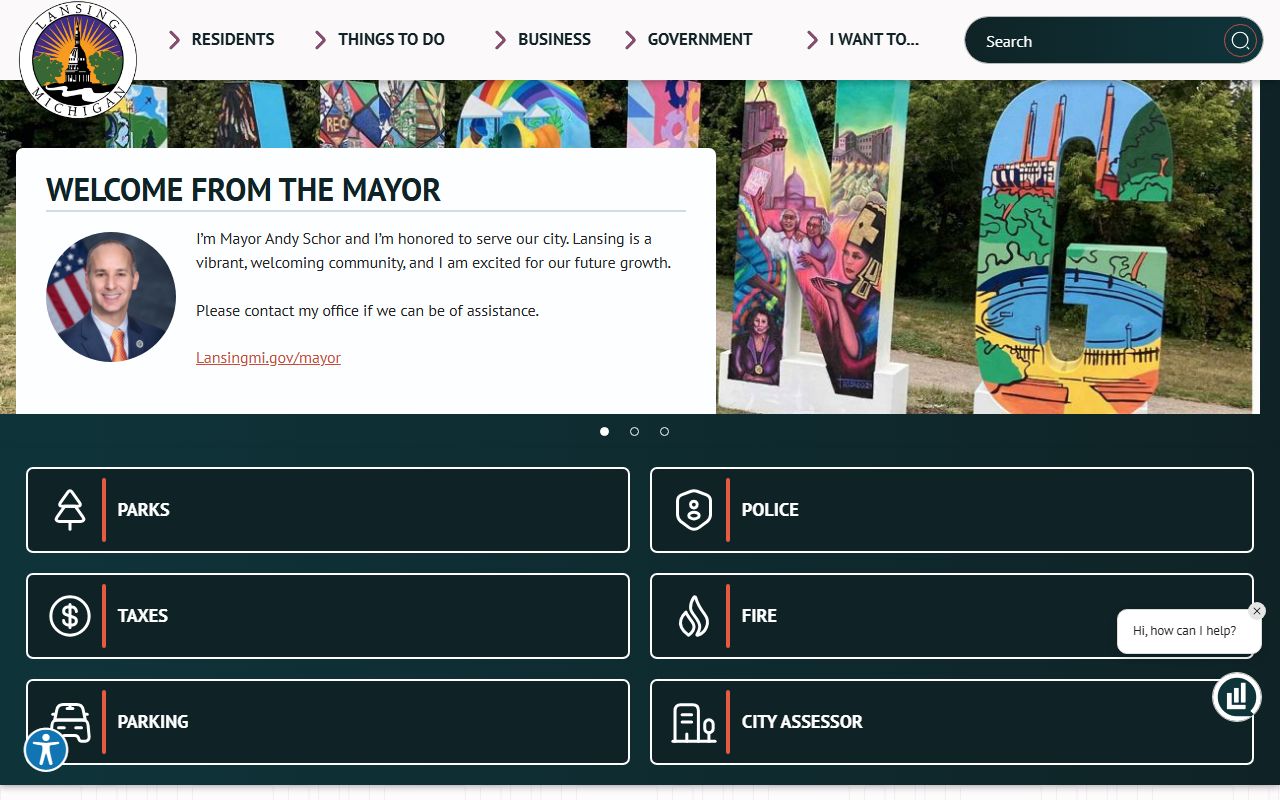
The city site links to the police department, court info, and other local resources tied to warrant searches.
FOIA Requests in Lansing
Michigan's Freedom of Information Act under MCL 15.231 gives you the right to ask for government records. File a FOIA request with the Lansing Police Department or the 54A District Court. Put it in writing. Name what you want. You do not need a reason.
They must respond within five business days. Large requests may take 10 extra days. Copies are $0.10 per page. Staff time may be billed for long searches. Active warrant records can be held back under MCL 15.243 if it would hurt an investigation. Closed cases are more likely to be turned over. Send your request by mail, email, or in person.
Warrant Types and Resolution in Lansing
Lansing courts issue arrest warrants, bench warrants, and search warrants. Each follows its own set of rules under Michigan law.
Arrest warrants come from a judge after a sworn complaint. Bench warrants follow a missed court date or a broken court order. Search warrants let police search a place for evidence under MCL 780.651. The judge needs probable cause in a sworn affidavit. The warrant names the place and what can be seized. Officers get 10 days to act under MCL 780.654. After that, it expires.
To clear an open warrant in Lansing, you can turn yourself in at the 54A District Court or the police department. Bring your ID. The court will set bond or schedule a hearing. For bench warrants, a lawyer can file a motion to quash, which may avoid jail time. The result depends on the charge and the judge. Court records in Lansing are public under MCR 8.119. Sealed records and minor cases are the exceptions.
Nearby City Warrant Records
These nearby cities also have warrant record pages. People sometimes have cases in more than one city, so checking nearby areas can help.